17 Nov 2026
Regional Regulatory Shifts Reshaping Transitions Between Live Hosted Card Sessions and Automated Reel Progressions in Licensed Digital Venues
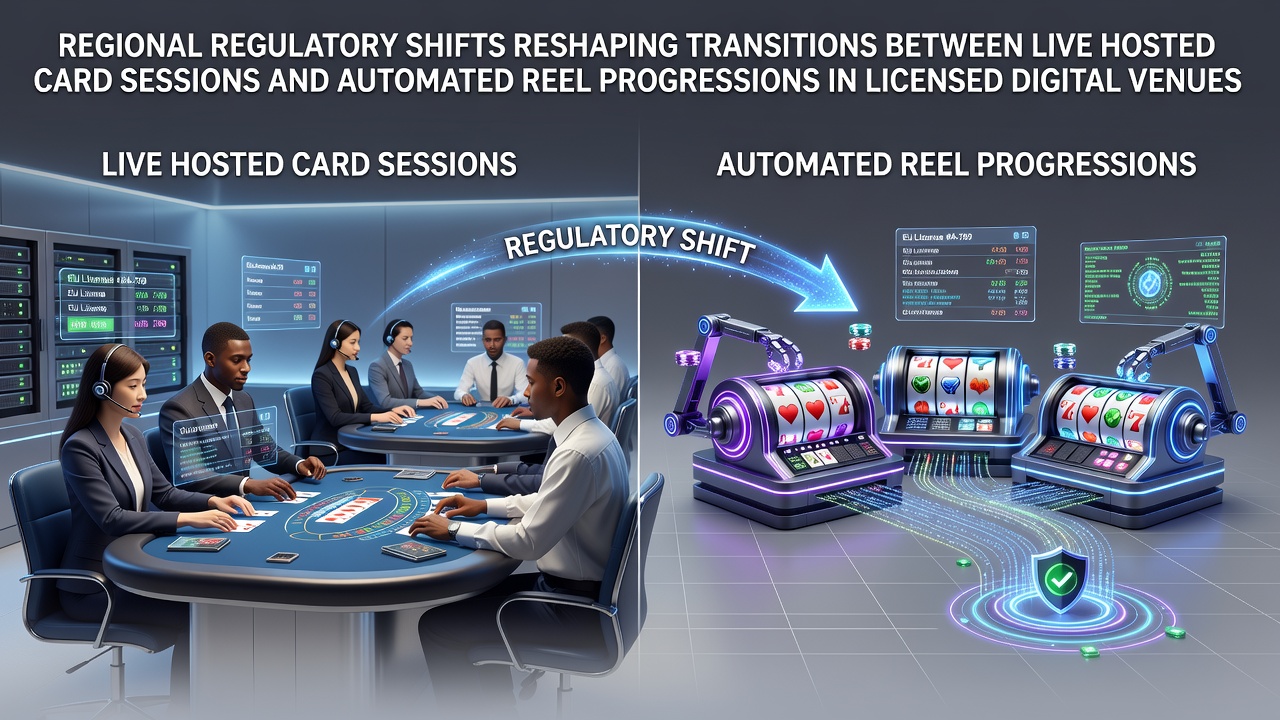
Regional regulatory frameworks continue to evolve and influence how operators manage player movement between live hosted card sessions and automated reel progressions within licensed digital venues, with several jurisdictions implementing updated compliance requirements that directly affect session continuity and platform architecture. Data from multiple oversight bodies indicate that these changes focus on licensing conditions, player protection protocols, and technical standards for seamless integration across game types.
North American Developments and Platform Adjustments
Authorities in several Canadian provinces have introduced guidelines that require licensed platforms to maintain consistent identity verification across live dealer environments and automated reel systems, ensuring that transitions do not bypass age or location checks. The Alcohol and Gaming Commission of Ontario has published technical standards that operators must follow when allowing players to move from poker tables to slot progressions, with mandatory logging of each switch to support audit trails. Research indicates these measures took effect progressively through 2025 and carry additional reporting obligations scheduled for full enforcement by November 2026 in select markets.
Operators in these regions report adjustments to user interface designs that prompt confirmation before completing a transition, reducing the risk of unintended game switches while preserving session flow. Figures from industry monitoring show increased investment in unified wallet systems that handle both live table stakes and reel-based wagers without requiring separate funding steps.
European and Asia-Pacific Regulatory Patterns
European Commission directives on digital gambling services have prompted member states to align rules governing live hosted interactions with those applied to automated reel mechanics, particularly around responsible gaming prompts that activate during cross-format movement. Observers note that platforms licensed in multiple jurisdictions now deploy region-specific modules that activate based on player location, enforcing different transition limits depending on local statutes.
In Australia, state-level regulators have updated licensing conditions for digital venues that offer both live card sessions and reel progressions, requiring clear disclosure of payout structures before any automated sequence begins following a live game exit. Reports compiled by the Australian Communications and Media Authority highlight that these disclosures must appear in real time, with data logs retained for regulatory review. Similar patterns appear in several Asia-Pacific markets where authorities emphasize synchronized compliance testing for hybrid platforms.
Technical Standards and Operational Impacts
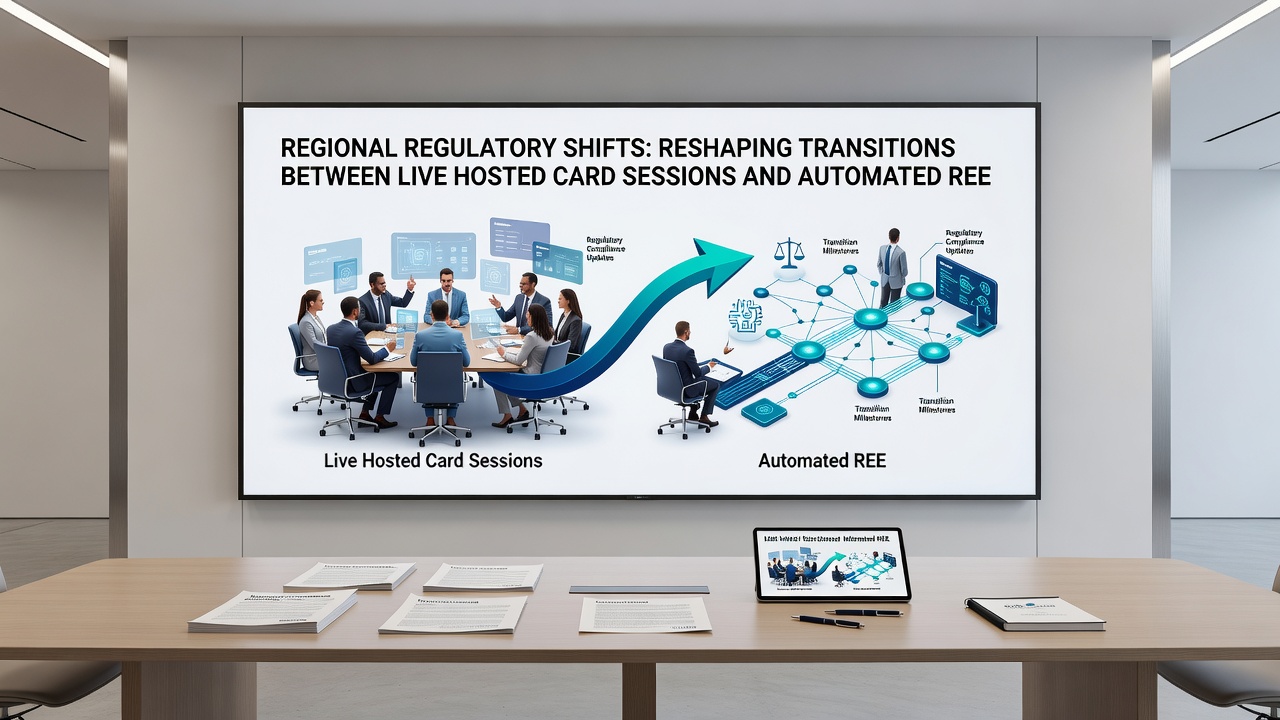
Licensed operators have responded by upgrading backend systems to support real-time regulatory checks during player transitions, with many adopting application programming interfaces that interface directly with government verification services. Evidence from platform audits reveals that these upgrades reduce latency in session handoffs while maintaining required data integrity across live and automated environments.
Training programs for compliance staff now include modules on monitoring transition patterns, as regulators request detailed analytics on how frequently players alternate between card sessions and reel progressions. Such data helps authorities assess whether existing responsible gaming tools remain effective under revised rules.
Future Timelines and Compliance Preparations
Industry associations tracking global regulatory activity project that additional updates will surface in late 2026, with some jurisdictions aligning enforcement dates around November to coincide with fiscal reporting cycles. Operators preparing for these deadlines focus on documentation of transition pathways, including user consent flows and automated alerts that activate when session limits approach.
Academic studies examining platform data from earlier regulatory phases show measurable shifts in player behavior once verification layers strengthen at transition points, although outcomes vary by market size and game mix. Those conducting longitudinal reviews continue to publish findings that inform upcoming policy refinements.
Conclusion
Regional regulatory shifts continue to drive modifications in how licensed digital venues handle movement between live hosted card sessions and automated reel progressions, with technical, operational, and reporting requirements evolving across North America, Europe, and Asia-Pacific jurisdictions. Data and compliance records demonstrate that platforms adapt through system upgrades and procedural changes timed to meet deadlines extending into November 2026 and beyond.